
 English
 Español

Understanding the Power Window Motor
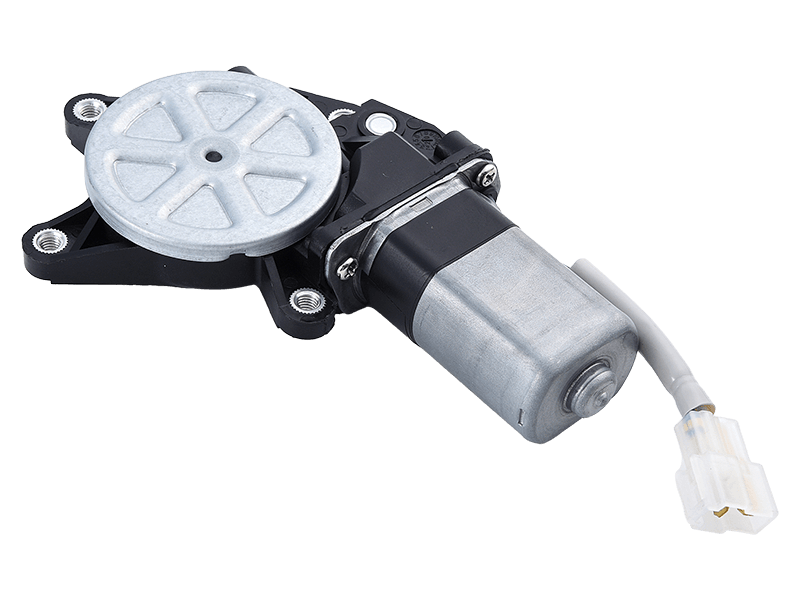
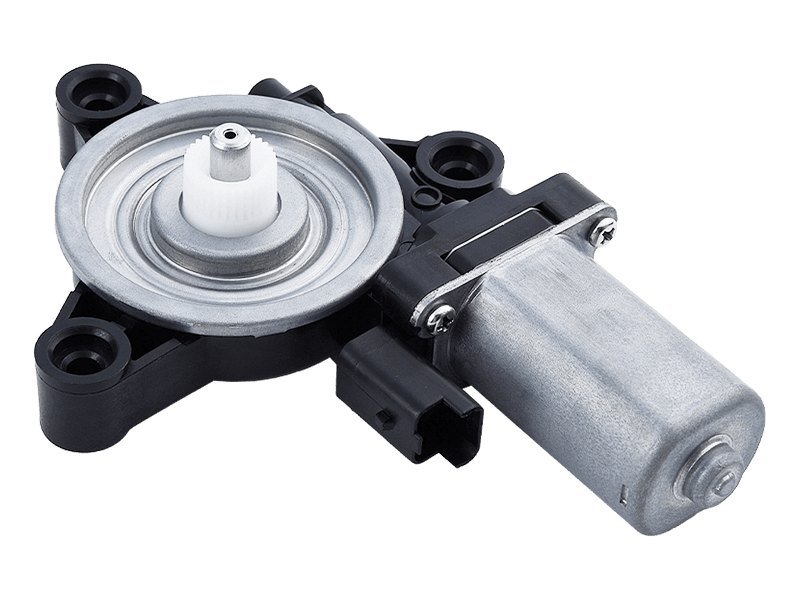
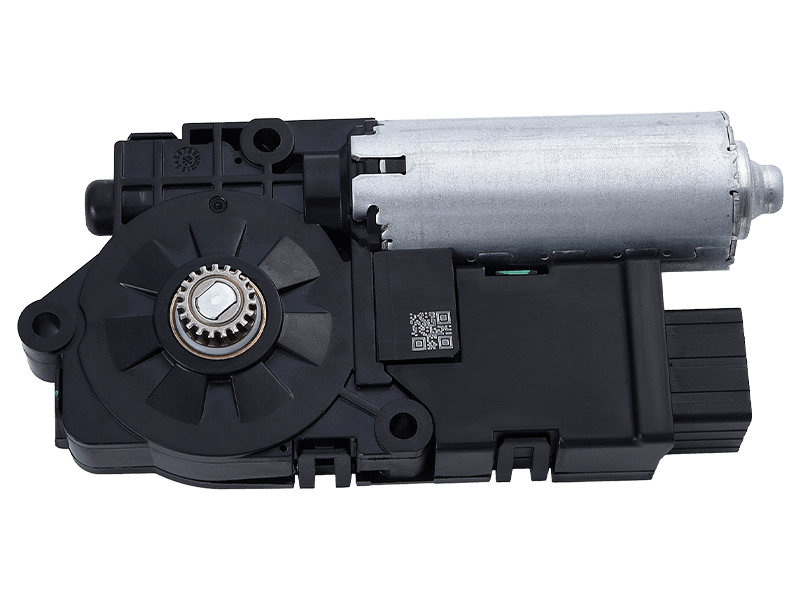
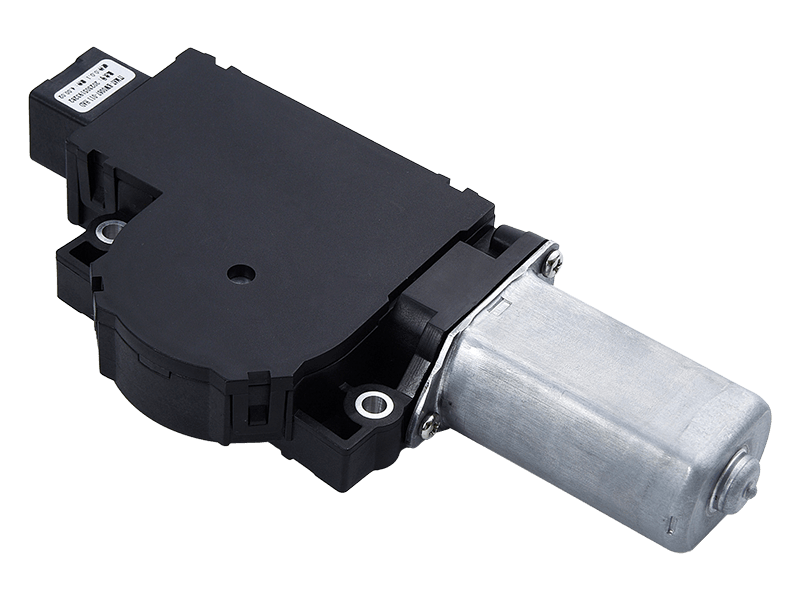
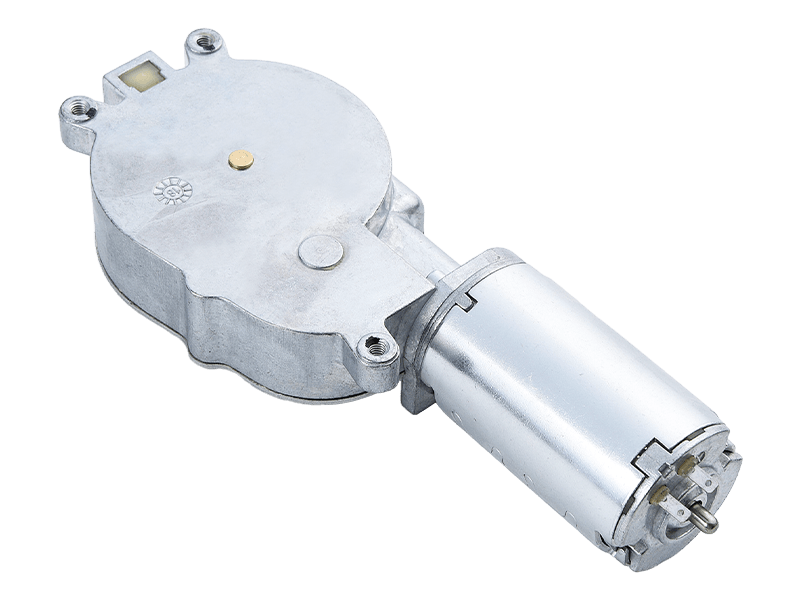
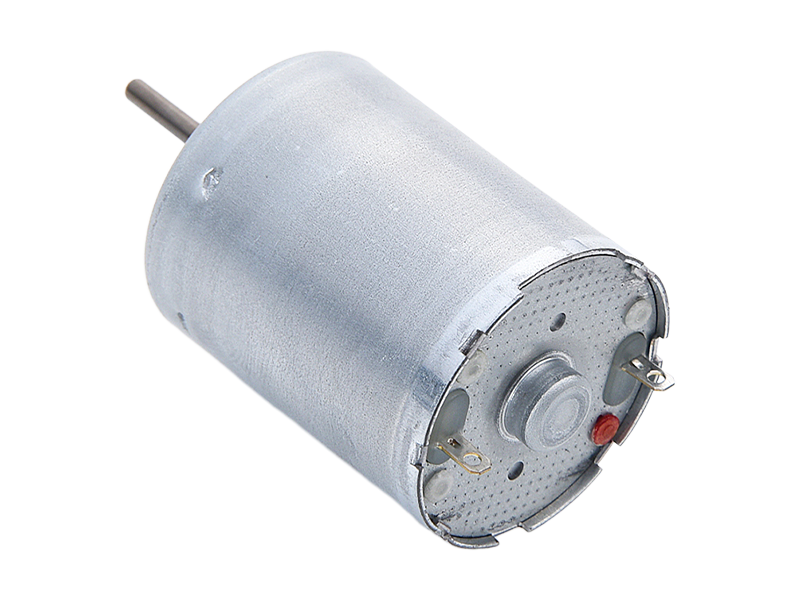
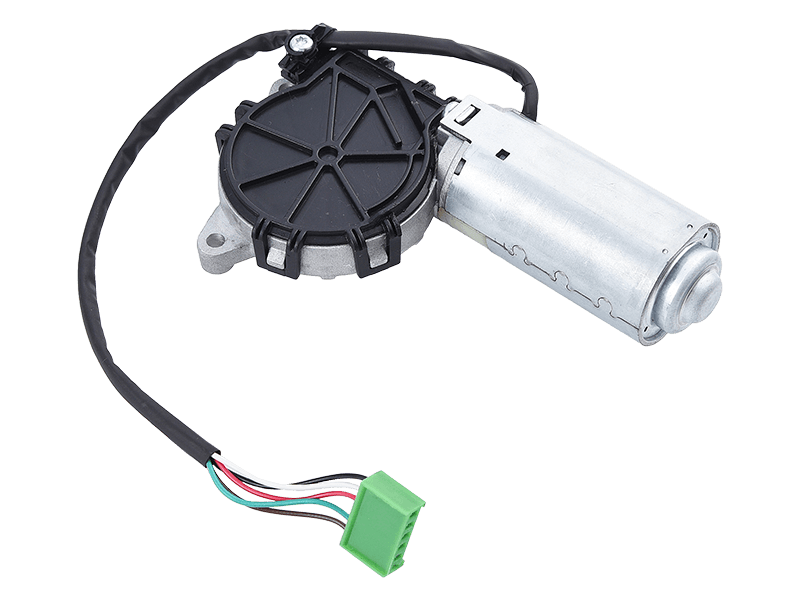
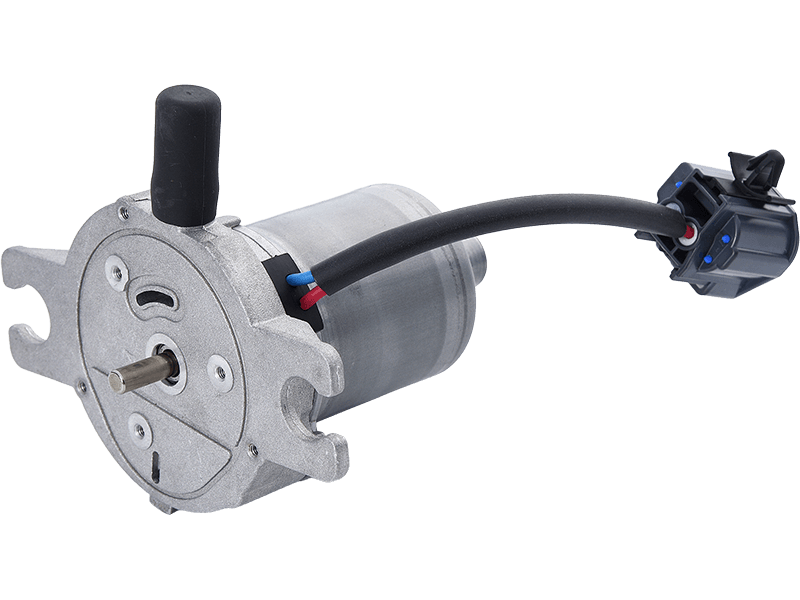
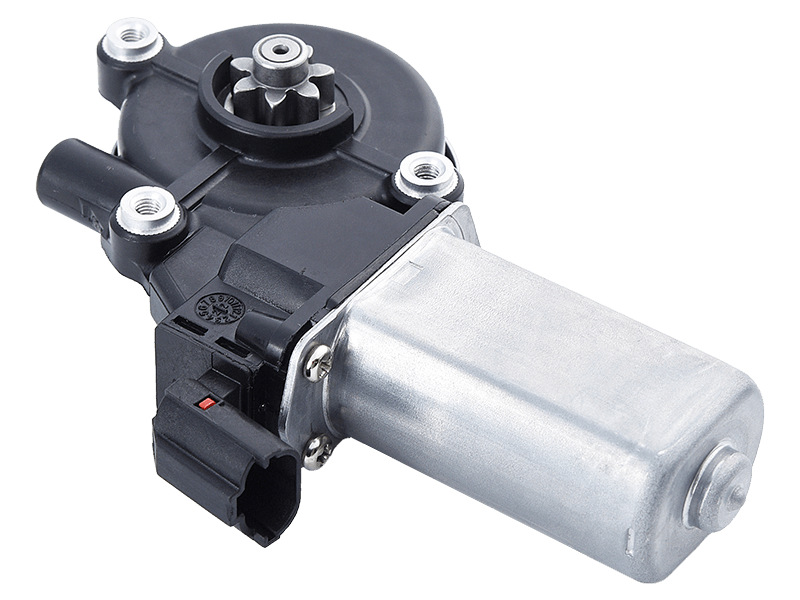
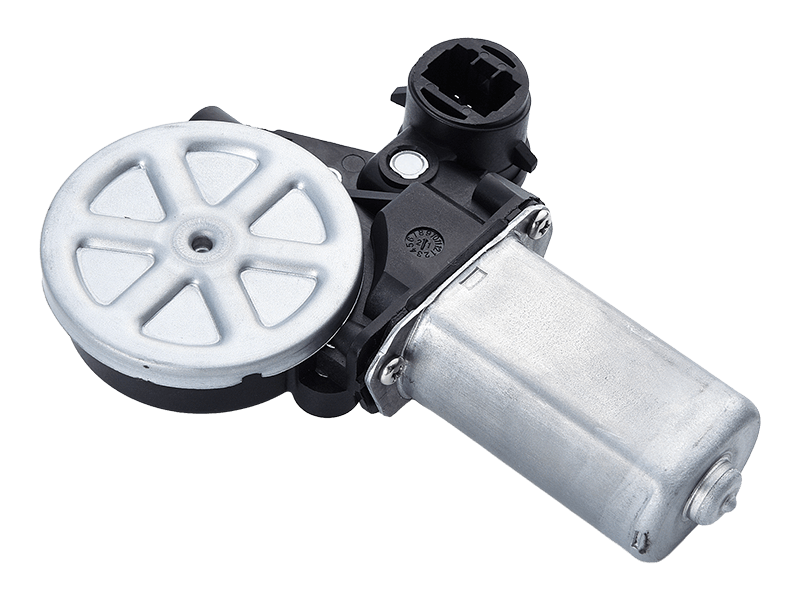
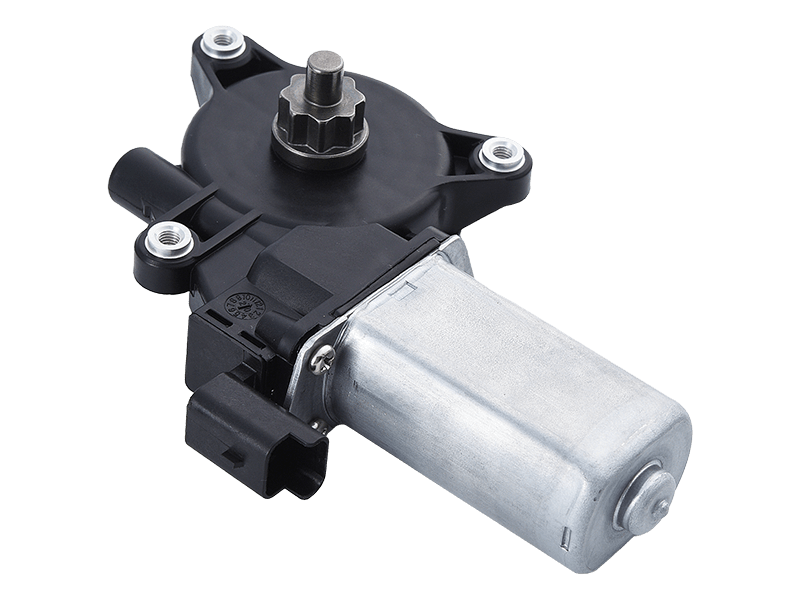
A power window motor is a critical component in modern vehicles that allows drivers and passengers to raise and lower windows with minimal effort. Unlike manual window mechanisms, these motors rely on an electric system that converts electrical energy into mechanical motion to move the window regulator. Over time, power window motors can experience wear and tear due to frequent use, exposure to moisture, or electrical issues. Recognizing the signs of a failing motor early can prevent costly repairs and ensure the safety and convenience of your vehicle.
Common Symptoms of a Faulty Power Window Motor
Several warning signs indicate that your power window motor may be malfunctioning. These can range from slow window movement to complete failure. Common symptoms include:- Windows moving slower than usual or stopping intermittently.
- Strange grinding, clicking, or whining noises when operating the window.
- Windows not responding to the switch or moving only in one direction.
- Electrical issues such as blown fuses or circuit problems affecting window operation.
Identifying these signs early is the first step in diagnosing a faulty power window motor.
Step-by-Step Diagnostic Process
To accurately diagnose a faulty power window motor, follow these steps systematically:- Check the Fuses: Locate the fuse box and inspect the fuse related to the window motor. A blown fuse can mimic motor failure.
- Test the Switch: Use a multimeter to ensure that the window switch sends power to the motor. A faulty switch may appear as a motor problem.
- Listen for Motor Sounds: Activate the switch and listen closely for any noise. A silent motor may indicate internal failure.
- Inspect the Wiring: Look for corroded, loose, or broken wires that could prevent the motor from receiving electricity.
| Diagnostic Step | Tool Needed | Expected Outcome if Motor is Faulty |
|---|---|---|
| Check Fuse | Fuse Tester | Blown fuse or no power to motor |
| Test Window Switch | Multimeter | No voltage output from switch |
| Listen for Motor Noise | None | Motor silent or abnormal sounds |
| Inspect Wiring | Visual Inspection | Frayed, disconnected, or corroded wires |
Advanced Testing Methods
For a more thorough diagnosis, you can perform direct power tests on the motor. Disconnect the motor from the wiring harness and apply 12V directly from the car battery. If the motor does not operate under direct power, it is likely defective and needs replacement. Additionally, inspecting the motor brushes and gears can reveal mechanical wear or internal damage that prevents smooth operation.
Preventive Tips to Avoid Motor Failure
Maintaining your power window system can prolong motor life. Avoid forcing windows manually, keep the tracks clean and lubricated, and ensure the electrical connections are dry and free from corrosion. Regularly testing window operation and addressing minor issues promptly can prevent sudden motor failure.
FAQ
Q1: Can a power window motor be repaired instead of replaced?A: In some cases, motor brushes or gears can be repaired, but often replacement is more reliable and cost-effective.
Q2: How much does it typically cost to replace a power window motor?
A: Prices vary by vehicle model, but most replacement motors range from $50 to $200, excluding labor.
Q3: Is a faulty power window motor covered under warranty?
A: It depends on the vehicle and warranty terms. Newer vehicles often have coverage for electrical components.
 +0086-0574-88427838