
 English
 Español

Understanding the Basics of Car Sunroof Motors
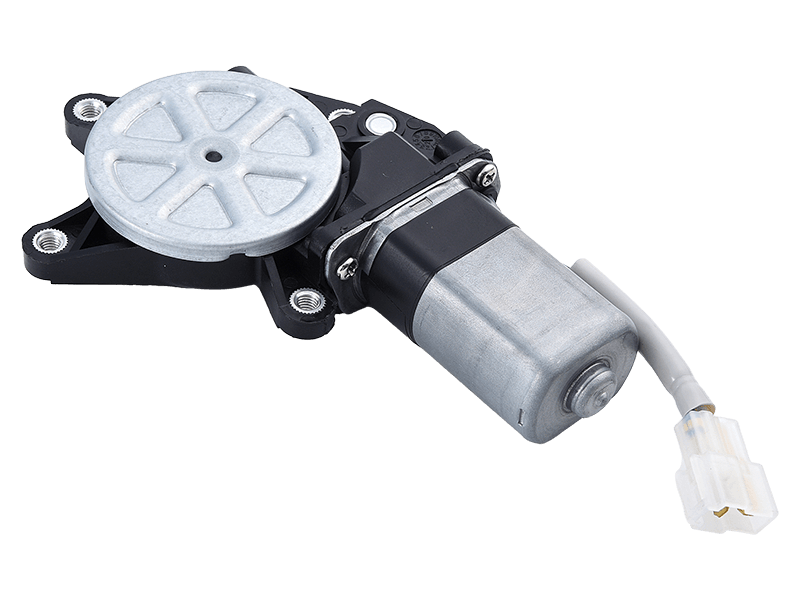
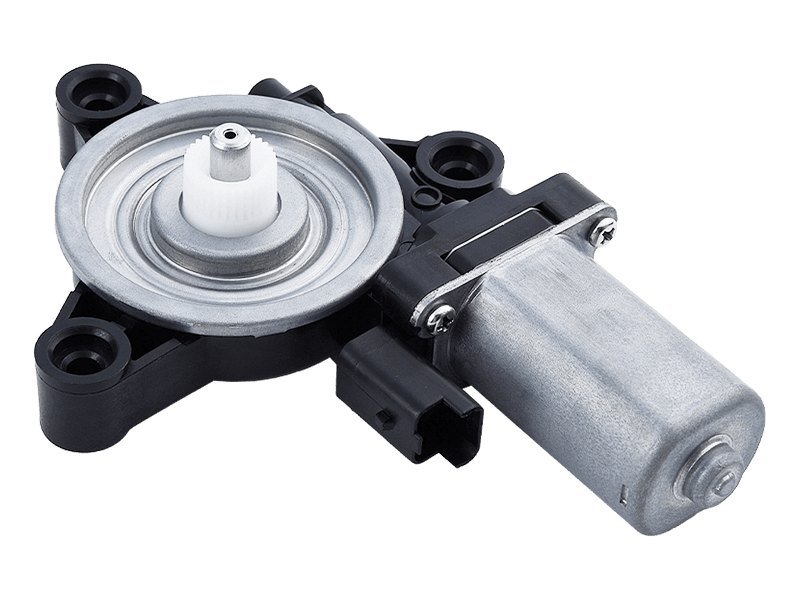
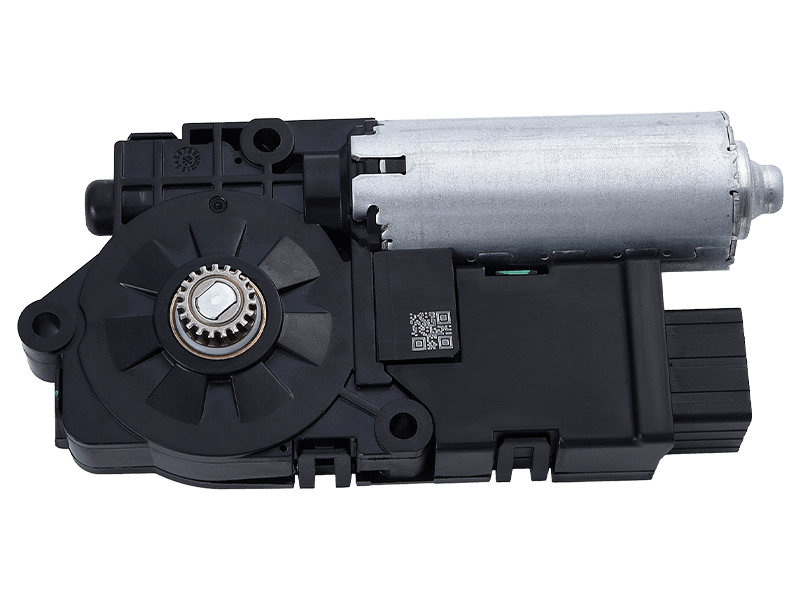
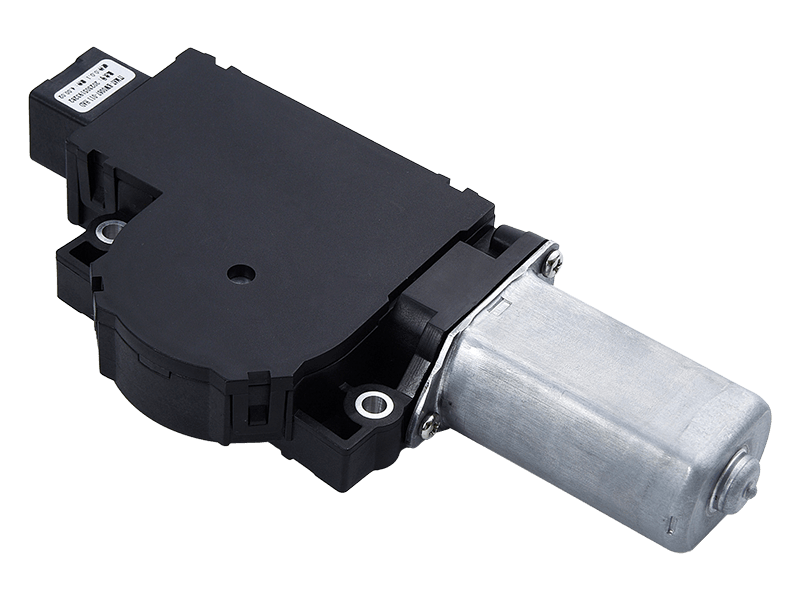
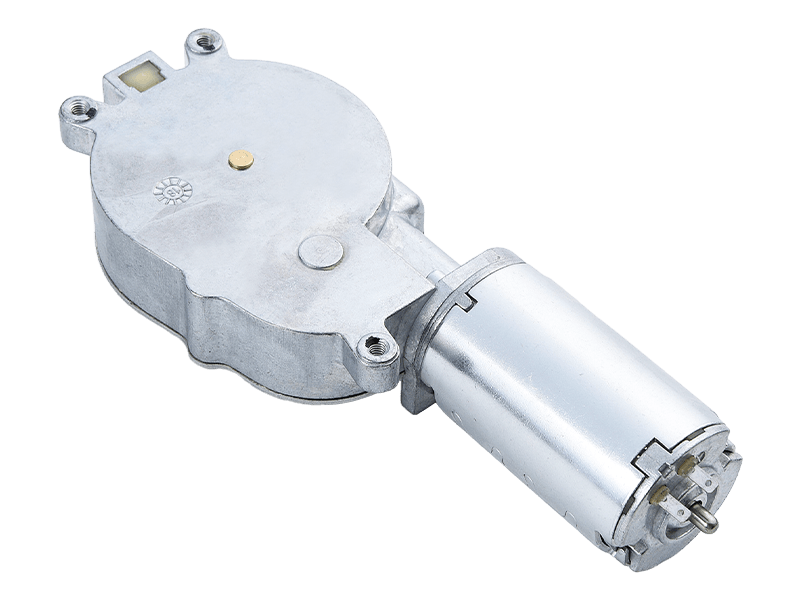
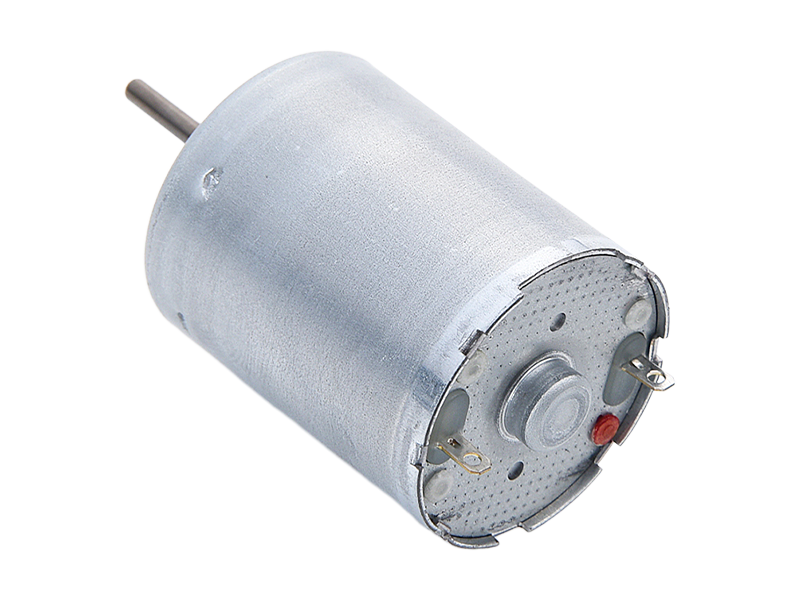
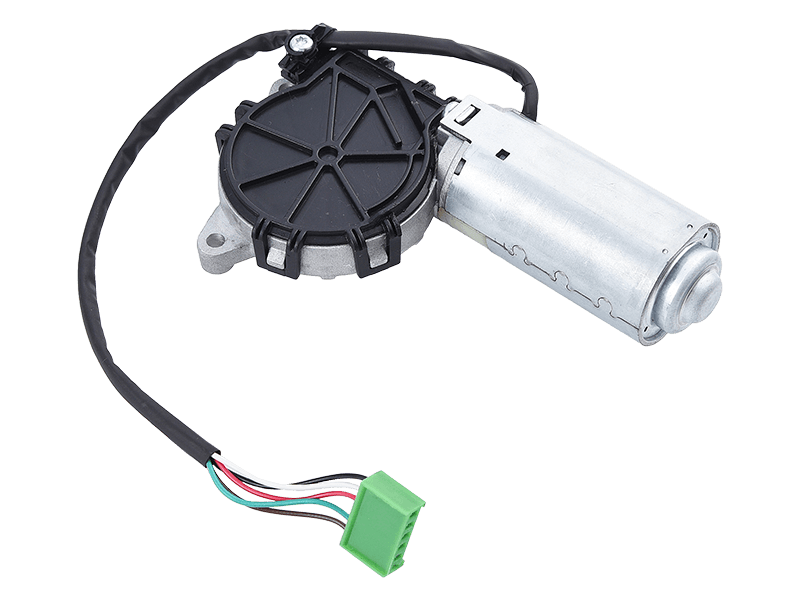
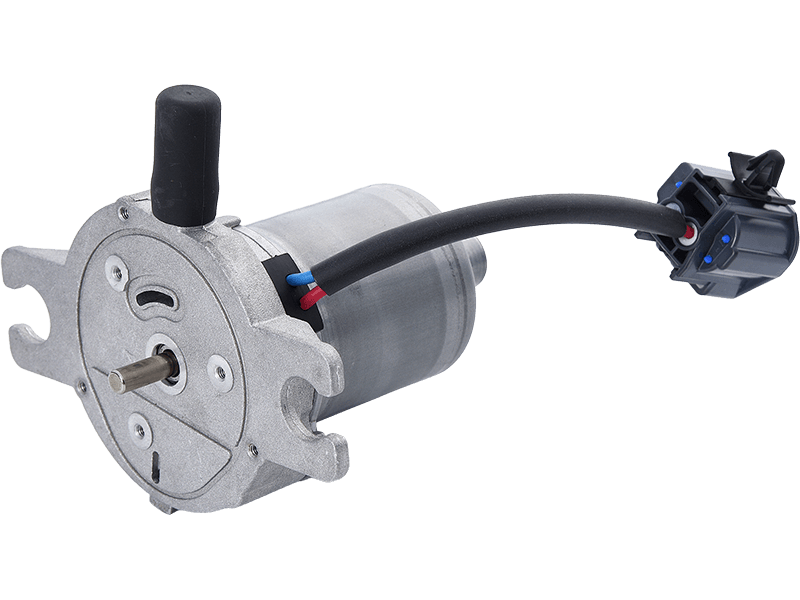
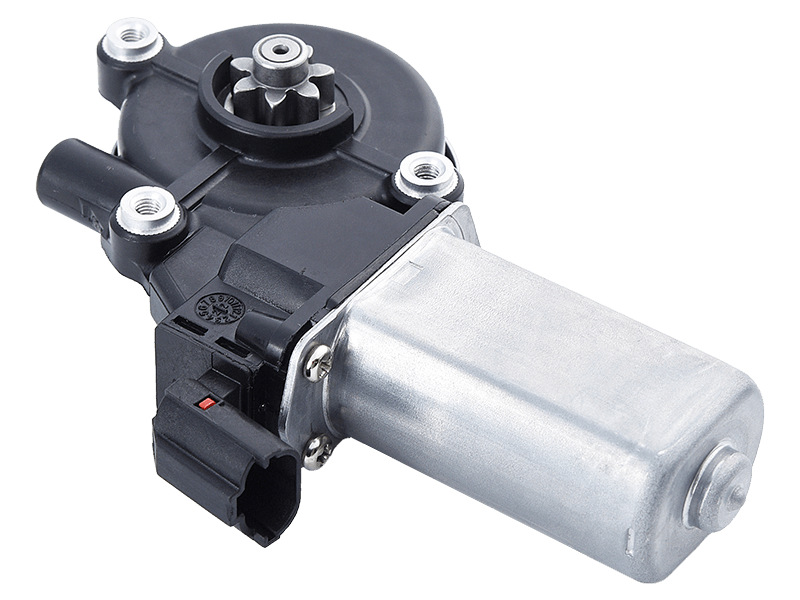
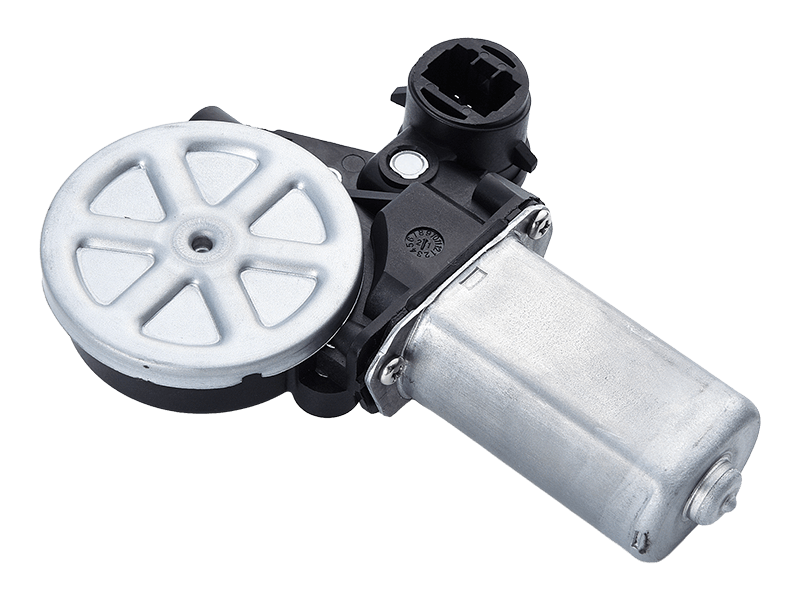
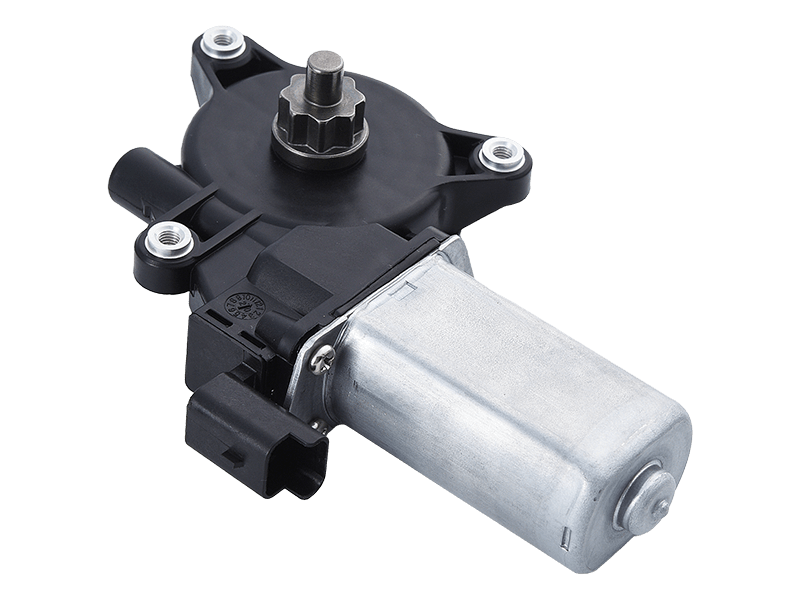
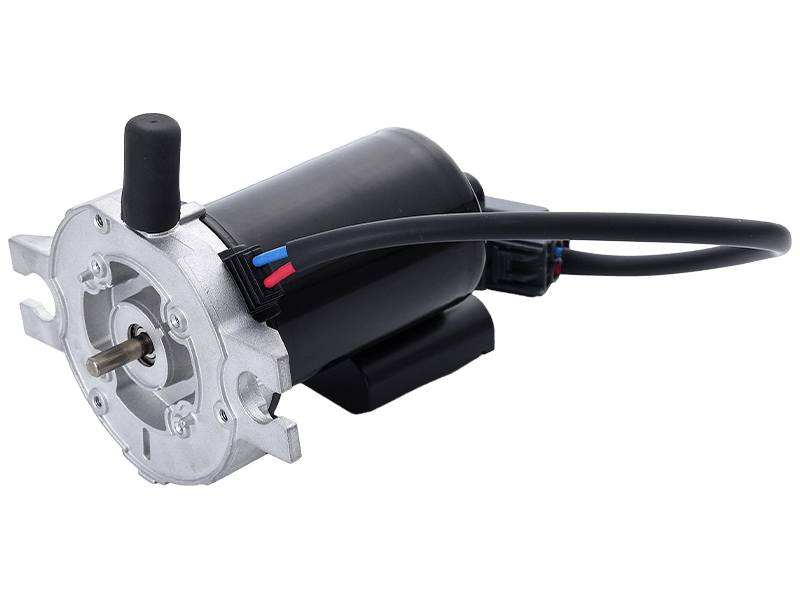
Car sunroof motors are essential components that control the movement of a vehicle's sunroof. They allow the sunroof to slide open, close, or tilt with precision and convenience. Most modern vehicles employ electric sunroof motors, which are controlled via switches located on the dashboard or overhead console. When a user presses a button to operate the sunroof, an electrical signal is sent to the motor. The motor then converts electrical energy into mechanical motion, enabling the sunroof to move along its designated tracks.These motors are designed to handle low-speed, high-torque operations, ensuring smooth movement even with heavy glass panels. Additionally, many car sunroof motors now incorporate safety mechanisms such as anti-pinch sensors, which automatically stop the motor if an obstruction is detected, preventing accidents or damage.
Key Components of a Car Sunroof Motor System
A typical sunroof motor system consists of the motor itself, gears, a cable or drive mechanism, limit switches, and a control unit. Each component plays a crucial role in ensuring reliable operation. The motor’s torque drives the gears, which transfer motion evenly along the sunroof. Limit switches signal the motor when the sunroof has reached its fully open or closed position, preventing overdriving. The control unit receives user input and coordinates motor operation.| Component | Function | Common Issues |
|---|---|---|
| Motor | Converts electrical energy into mechanical motion | Burnout, reduced torque |
| Gear Assembly | Transfers motion evenly across the sunroof | Gear wear, misalignment |
| Cable/Drive Mechanism | Moves the sunroof panel along the track | Fraying, breakage |
| Limit Switches | Detects fully open or closed positions to stop motor | Switch failure |
| Control Electronics | Receives user input and manages motor operation | Electrical faults, short circuits |
How the Motor Operates Step by Step
When a driver activates the sunroof switch, the control module determines the intended action—open, close, or tilt. The motor receives electrical voltage and starts turning, driving the gears and cables connected to the sunroof. Depending on the design, the sunroof may slide backward into the roof** or tilt upward** for ventilation. Limit switches detect when the sunroof reaches its final position, signaling the motor to stop automatically.Many modern vehicles also include advanced features such as automatic closure when locking the car or rain-sensing sunroof closure, enhancing convenience and safety. Proper functioning relies on clean tracks, lubricated components, and the absence of electrical faults.
Common Problems and Maintenance Tips
Sunroof motors can fail due to wear, accumulation of dirt, or electrical issues. Symptoms of failure include slow operation, unusual noises, or complete non-response. Regular maintenance, including cleaning the tracks, lubricating moving parts, and inspecting electrical connections, can prolong motor life. In cases of severe motor failure, replacement is usually recommended rather than repair, especially when internal components like gears or wiring are damaged.
FAQ
Q1: Can a sunroof motor be repaired?Q2: How long does a sunroof motor last?
On average, sunroof motors last 10–15 years, depending on usage, weather conditions, and maintenance.
Q3: What happens if the motor fails while driving?
The sunroof may become stuck in its current position. Many vehicles allow manual closure via an emergency crank provided by the manufacturer.
 +0086-0574-88427838