
 English
 Español

Power window motors are an essential component in modern vehicles, providing the convenience of raising and lowering windows at the push of a button. While their function may seem simple, the design and specifications of power window motors can differ significantly across car models. Factors such as vehicle size, door design, manufacturer standards, and added features all influence the motor’s design, performance, and compatibility. Understanding these differences is crucial for vehicle owners, technicians, and anyone considering repairs or replacements.
1. Design and Form Factor Variations
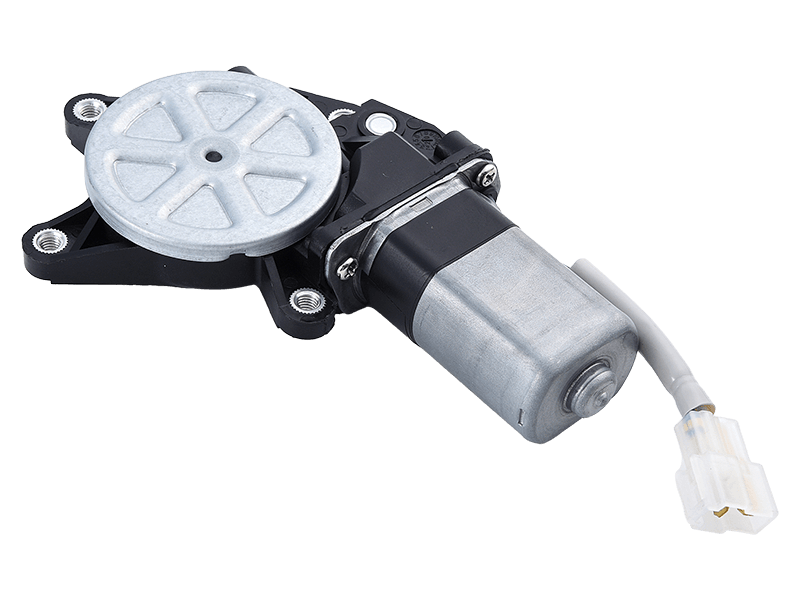
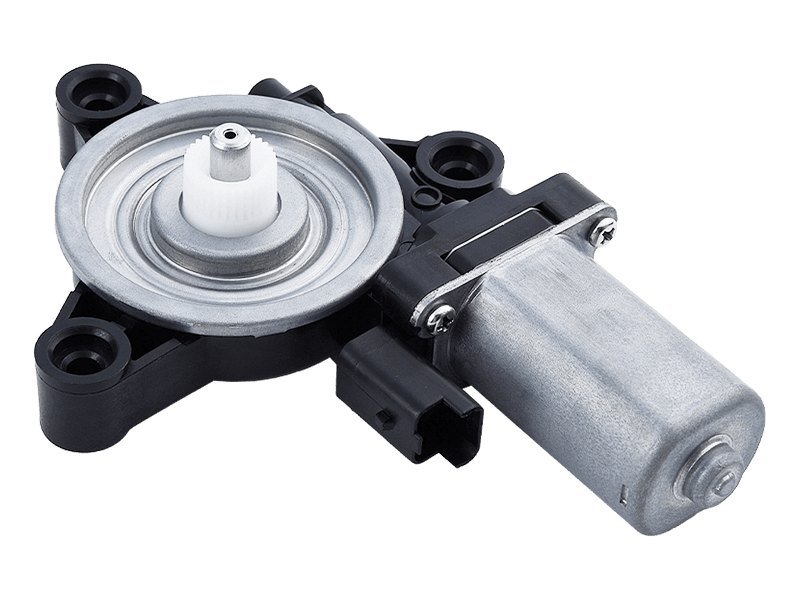
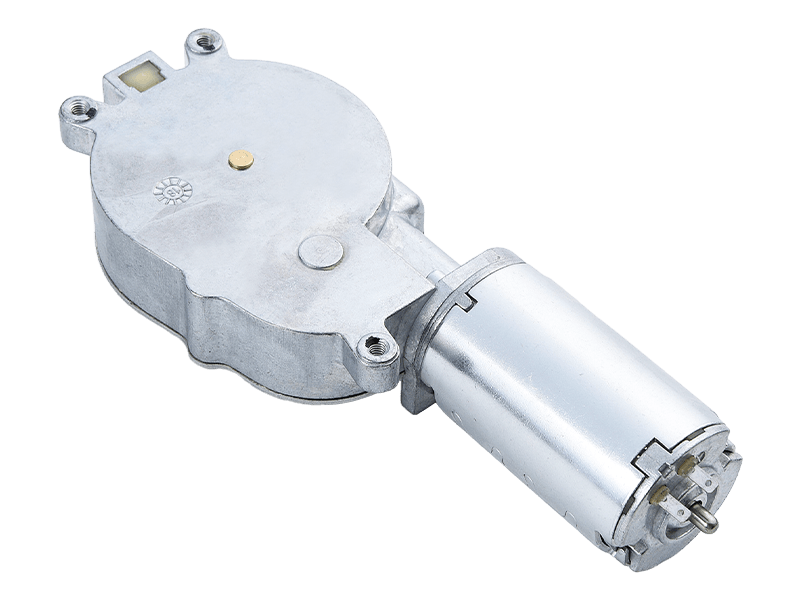
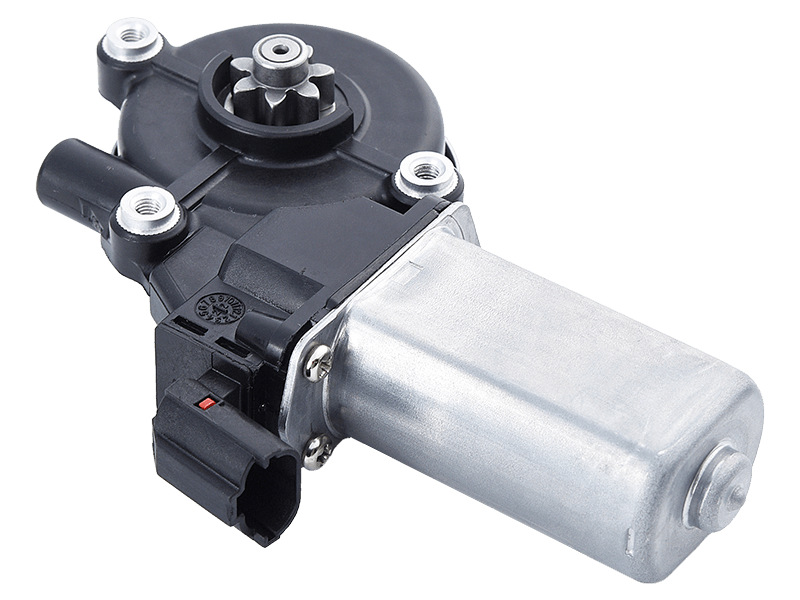
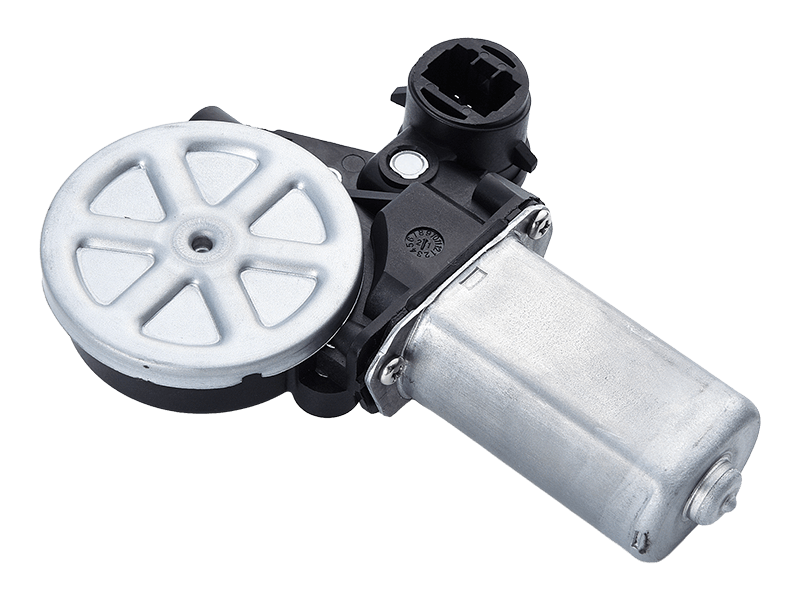
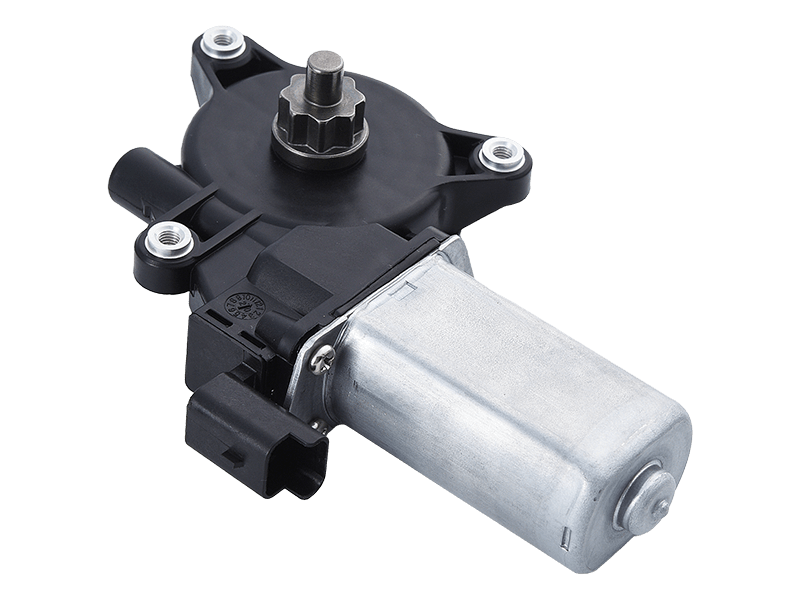
The design of a power window motor is closely tied to the vehicle’s door architecture. Some vehicles feature compact motors integrated directly with the window regulator, while others use separate motor and regulator assemblies. These differences affect the mounting points, bolt patterns, and gear configurations. Even motors from the same manufacturer may vary between models or generations, meaning a motor from one vehicle rarely fits another without modification.
Luxury vehicles often prioritize quiet and smooth operation, incorporating refined gear mechanisms and vibration dampening materials. Economy cars may use simpler, more cost-effective designs, prioritizing functionality over noise reduction. Additionally, the physical size and weight of the motor are often tailored to the window’s weight and the door’s construction. Technicians must consider these factors when selecting replacement motors to ensure a proper fit and avoid unnecessary wear on the regulator or window mechanism.
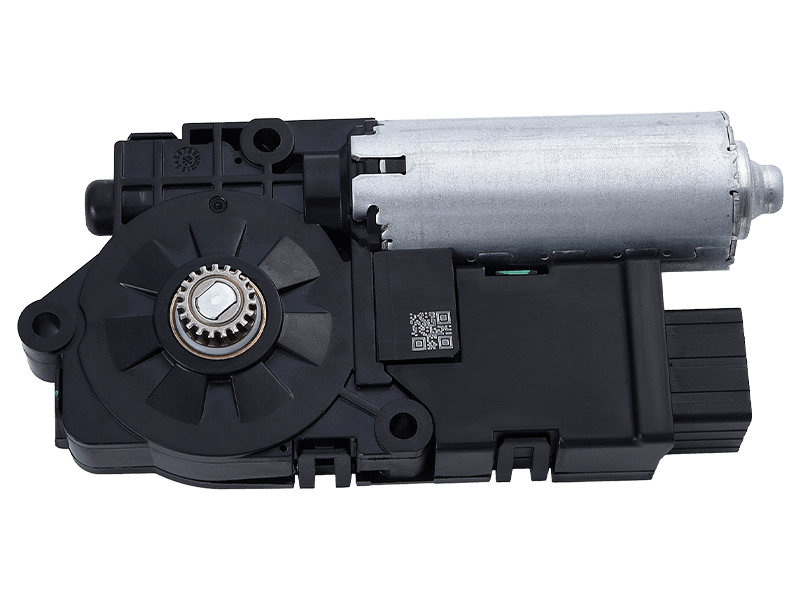
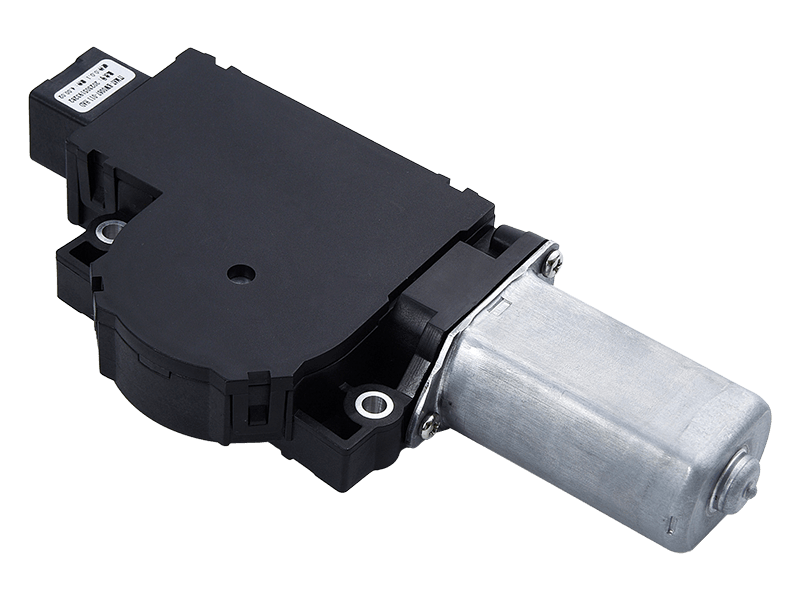
Moreover, vehicle manufacturers continually refine motor designs to accommodate updates in electronics, door sensors, and safety features. For example, some modern cars integrate anti-pinch sensors within the motor assembly, which may not be present in older or basic models. This further emphasizes that design differences are not just cosmetic—they directly impact performance and safety.
2. Electrical Specifications and Performance
Electrical characteristics of power window motors also vary widely between car models. Most motors operate on a 12V system, but the current draw, torque output, and rotational speed can differ. Larger vehicles like SUVs and trucks require higher-torque motors to lift heavier windows, while compact cars often use smaller, lighter-duty motors. Using a motor with insufficient torque in a heavy window can result in slow operation, excessive wear, or premature failure.
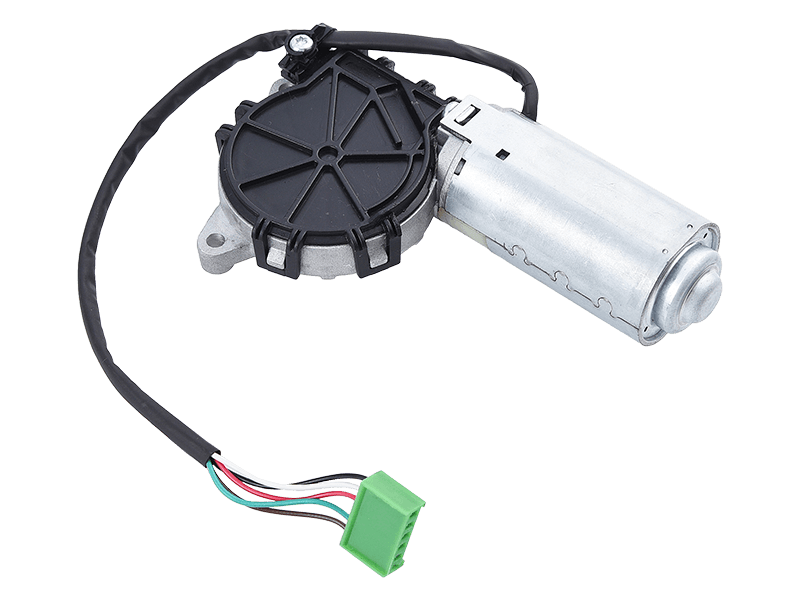
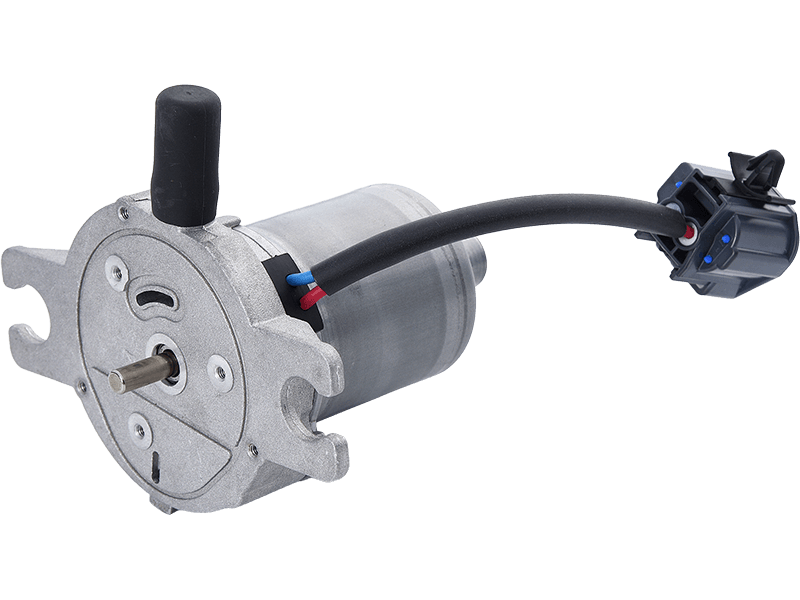
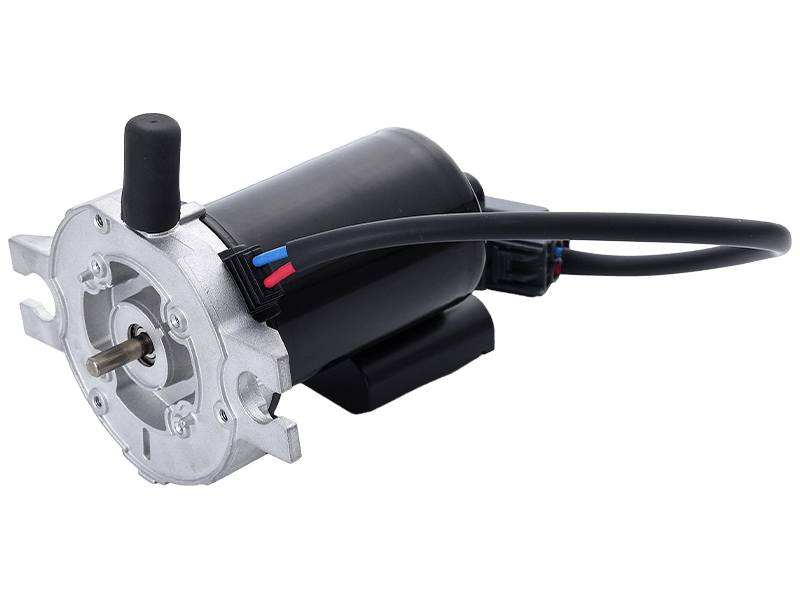
The electrical connector type and wiring configuration are also model-specific. Some vehicles feature multi-pin connectors with integrated control modules, allowing the motor to communicate with the vehicle’s body control system. These intelligent motors may include features like soft start, auto-up/down, and overload protection. Older or budget models often use simpler wiring and on/off switch logic, which makes them less sophisticated but easier to replace. Understanding these differences is critical when sourcing replacement parts, as incompatible electrical specifications can lead to system malfunction or damage.
In addition to torque and electrical differences, motor speed and duty cycle are carefully matched to window regulators. Excessive speed can stress the regulator, while insufficient speed may cause slow or jerky window movement. Manufacturers balance these parameters to optimize performance, reliability, and user comfort, which is why motors are not universally interchangeable.
3. Integration With Window Regulators
Most power window motors are designed to operate in conjunction with a specific regulator type, which guides the window up and down. There are two primary regulator designs: cable-driven systems and scissor-arm mechanisms. The motor’s gear and output shaft must align with the regulator type for correct operation. Choosing the wrong motor-regulator combination can lead to poor performance, grinding noises, or mechanical failure.
Vehicle models also differ in the size and weight of their window glass. Motors are calibrated accordingly to ensure smooth operation without straining the electrical system or the regulator mechanism. The interaction between motor torque, regulator design, and window weight defines how quickly and smoothly a window moves, affecting overall driver and passenger satisfaction.
| Feature | Luxury Car Models | Economy Car Models | Trucks / SUVs |
|---|---|---|---|
| Motor Torque | Medium–High | Low–Medium | High |
| Noise Level | Low (quiet operation) | Moderate | Moderate–High |
| Regulator Integration | Specific, modular | Standard | Heavy-duty, robust |
| Safety Features | Pinch detection, auto-stop | Basic on/off control | Optional auto-reverse |
| Connector / Wiring | Multi-pin, complex | Simple 2–3 wire | Heavy-duty connectors |
| Window Weight Compatibility | Medium–Heavy | Light–Medium | Heavy |
This table highlights the main differences in power window motor design and integration across vehicle types, emphasizing the importance of model-specific selection.
4. Manufacturer and Model-Specific Features
Automakers often design motors with features unique to a particular car model or trim. OEM (original equipment manufacturer) motors are tested for durability, torque, and noise to ensure compatibility with the vehicle’s window system. In some newer vehicles, motors are part of smart window systems capable of automatic up/down operation, pinch protection, or remote control via key fob.
Aftermarket or universal motors exist but may lack certain OEM features and may require adapters for installation. Using an incompatible motor can lead to operational issues, such as incomplete window closure, erratic movement, or trigger warning lights on the vehicle’s dashboard. Technicians and car owners must carefully match replacement motors to the vehicle’s make, model, year, and regulator type to maintain proper function and avoid damage.
Some models also integrate motors with anti-pinch sensors and soft-start/soft-stop mechanisms, improving both safety and comfort. Luxury models are particularly likely to have these advanced features, while economy vehicles tend to prioritize simplicity and cost-efficiency. Understanding these distinctions ensures a smooth and reliable window operation for all vehicle types.
5. Key Takeaways for Vehicle Owners and Technicians
- Always check compatibility: Make, model, year, and regulator type are essential to identify the correct motor.
- Consider torque and weight: Heavier windows need higher-torque motors to operate efficiently.
- Mind electrical connectors and wiring: Mismatched connectors can damage the motor or the car’s electrical system.
- OEM vs aftermarket: OEM motors guarantee fit and functionality; aftermarket options may require modifications.
- Smart features matter: Pinch protection, auto-up/down, and soft-start mechanisms vary across models and are worth considering for safety and comfort.
Choosing the correct power window motor ensures smooth, safe, and reliable operation, preventing costly repairs and enhancing user experience.
FAQ
Q1: Can I use a universal power window motor in any car?
A: Not always. Universal motors may require modifications or adapters and may not support all features of the original system.
Q2: How do I know which motor is compatible with my car?
A: Use your vehicle’s make, model, year, and OEM part number as a reference for replacement parts.
Q3: Do all power window motors have the same torque?
A: No. Torque varies depending on window size, door weight, and vehicle type.
Q4: Can a power window motor fail even if the switch works?
A: Yes. Common signs of motor failure include slow movement, grinding noises, or complete non-operation of the window.
Q5: How long do power window motors typically last?
A: Lifespan varies but generally ranges from 8 to 15 years depending on usage, maintenance, and environmental factors.
References
- J. M. Turner, “Automotive Electric Window Systems: Design and Reliability”, SAE Technical Paper, 2018.
- P. L. Chen, “Power Window Motors: Diagnostics and Replacement”, Journal of Automotive Maintenance, 2020.
- R. S. Patel, “Electrical Components in Modern Vehicles”, Automotive Engineering Review, 2019.
 +0086-0574-88427838