
 English
 Español

In an air conditioning system, the term “Air Conditioning Outlet Motors” can refer to two main types of motors that collectively ensure the effective regulation and delivery of air: the Blower Motor, which is responsible for air movement, and the Damper Actuator Motor, which is responsible for precise airflow control.
1. The Blower Motor: The “Lungs” of the System
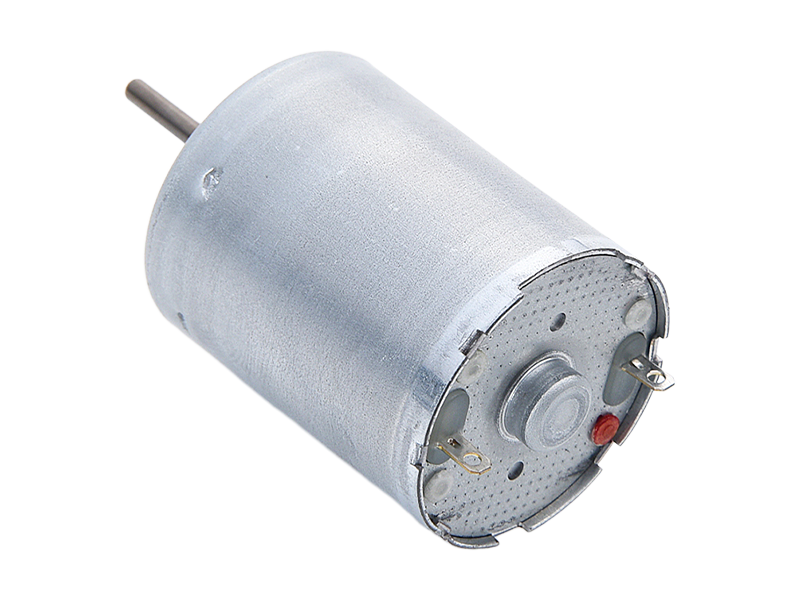
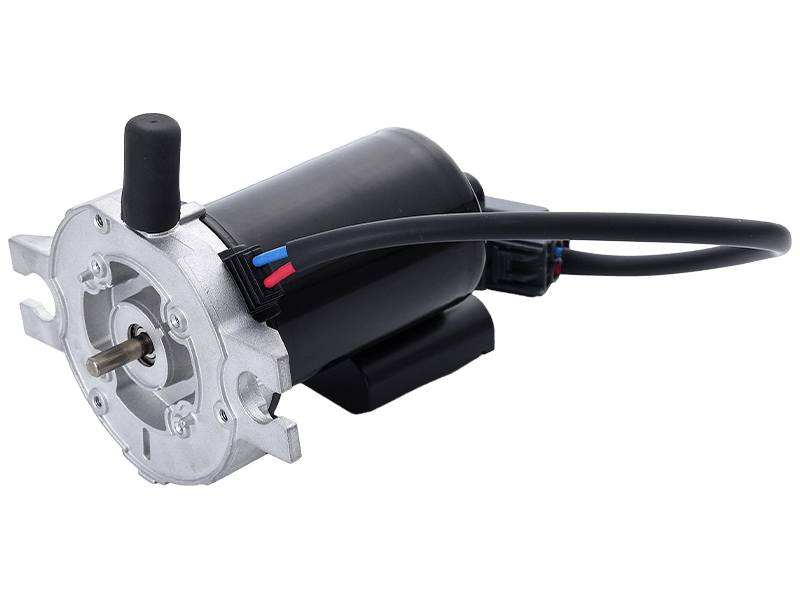
The blower motor is typically located inside the indoor unit (such as the air handler or furnace) and is the core of the entire air distribution system. Its primary duty is to push the conditioned air from the unit to the various outlets.
Detailed Functions and Importance:
- Air Circulation and Delivery: The motor drives a large “squirrel cage” centrifugal fan (Blower Fan). It first draws in the indoor return air, pushes that air across the evaporator coil (for cooling) or heat exchanger (for heating). Finally, this temperature-appropriate air is forcefully pushed into the supply ducts and ultimately enters the room through the outlets/registers on the walls or ceiling. Simply put, without the blower motor, the AC’s cooling or heating function would be meaningless.
- Temperature Uniformity: Continuous and stable airflow is crucial for maintaining uniform temperatures throughout the room. A properly functioning blower motor ensures that all corners of the room receive adequate conditioned air flow.
- Air Filtration: The blower motor ensures that all recirculated air continuously passes through the air filter. This is critical for removing dust, pollen, and other pollutants, maintaining good indoor air quality.
- Energy Efficiency Control (ECM Motors): Modern high-efficiency systems often use Electronically Commutated Motors (ECM), which are advanced blower motors. Instead of simply running at full speed or being off, they can dynamically adjust their speed based on changes in temperature, humidity, and system pressure.
- Energy Saving: Running at lower speeds significantly conserves energy.
- Dehumidification: Running longer at lower speeds helps remove more moisture without freezing the coil.
2. The Damper Actuator Motor: The “Rudder” of the Airflow
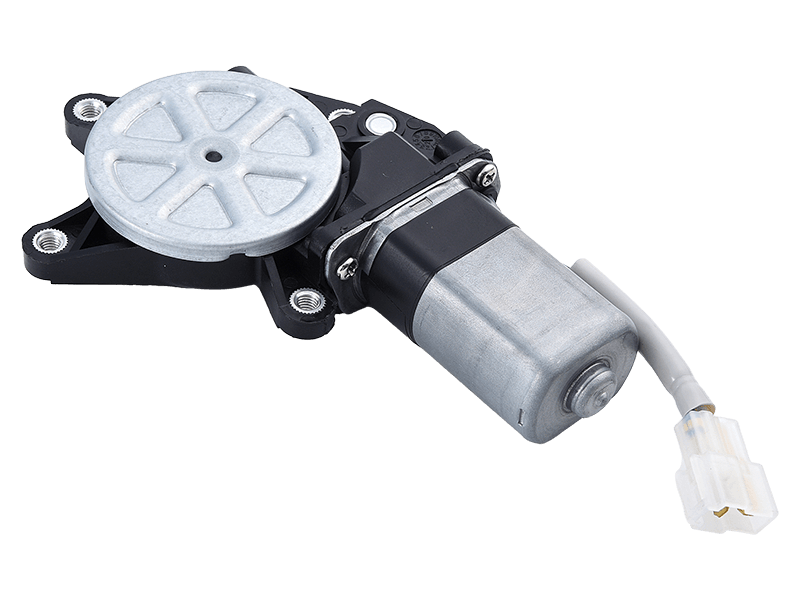
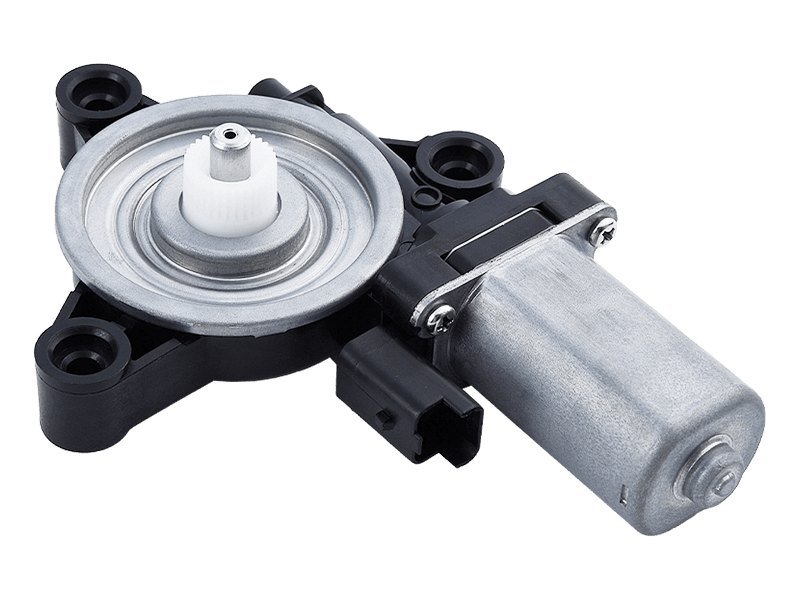
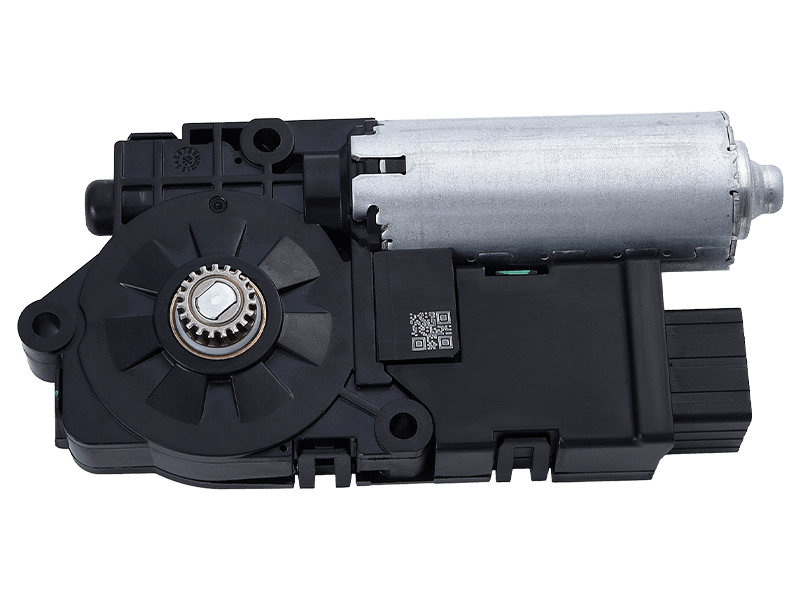
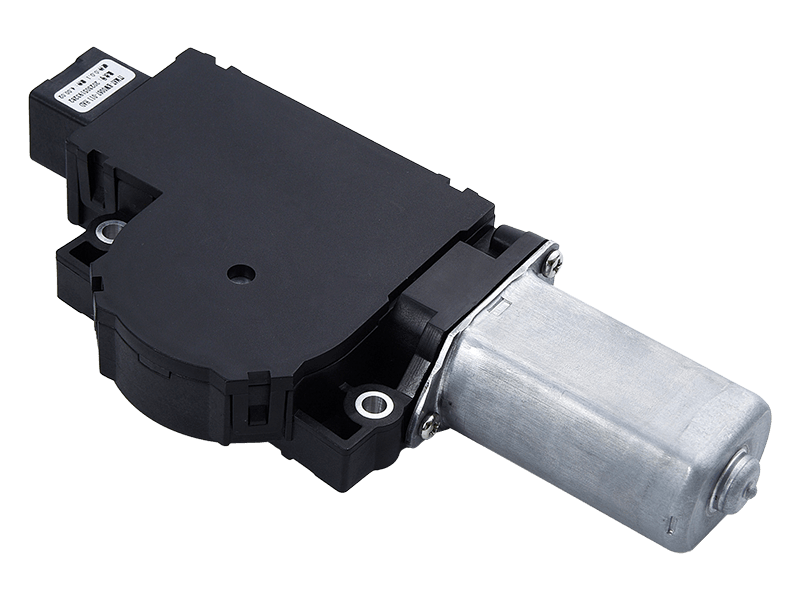
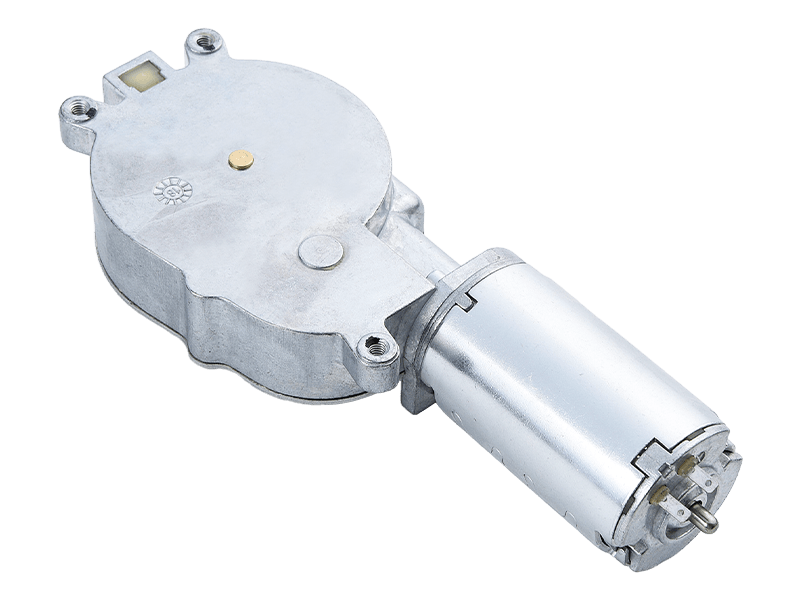
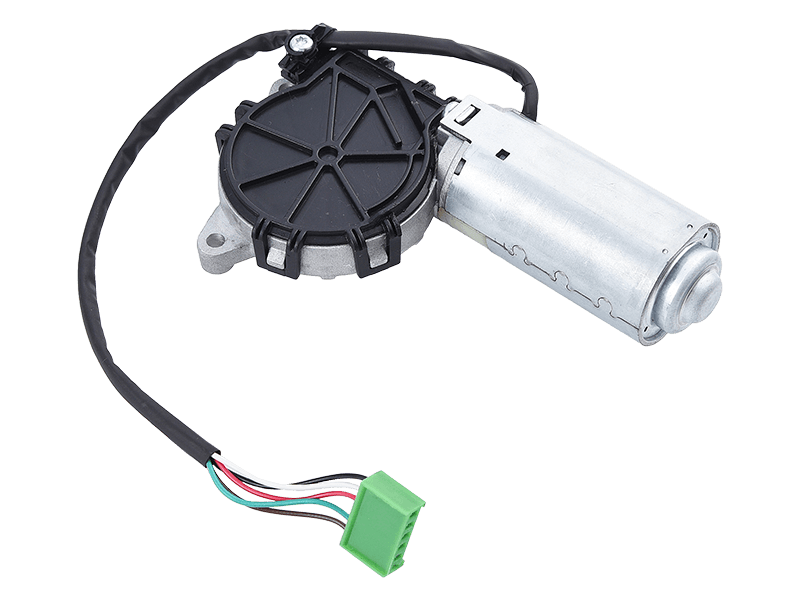
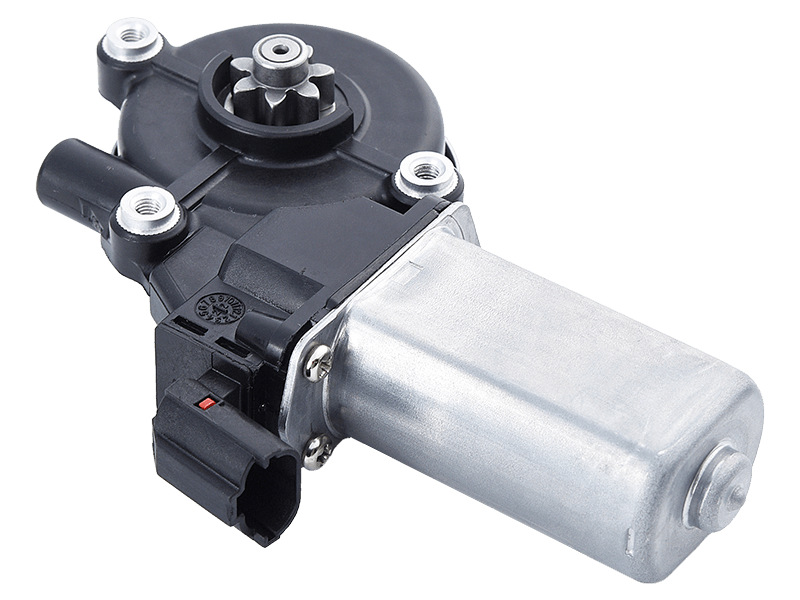
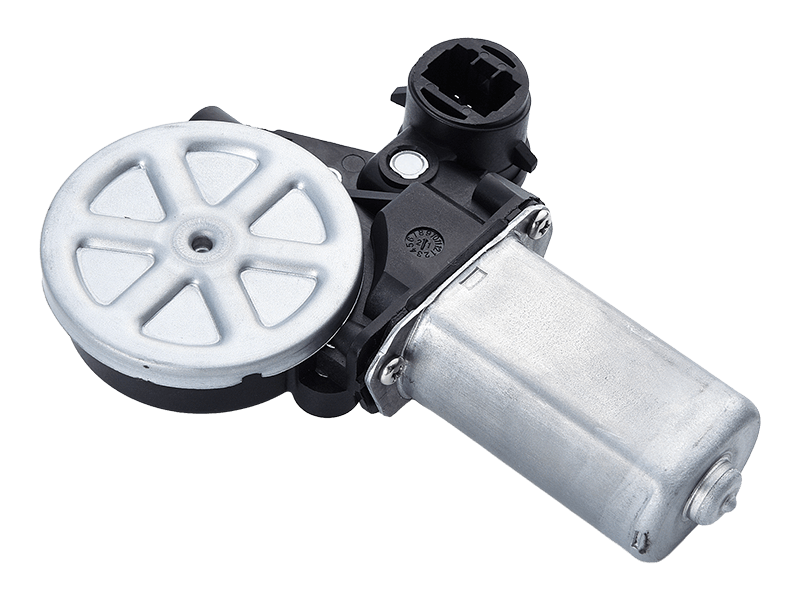
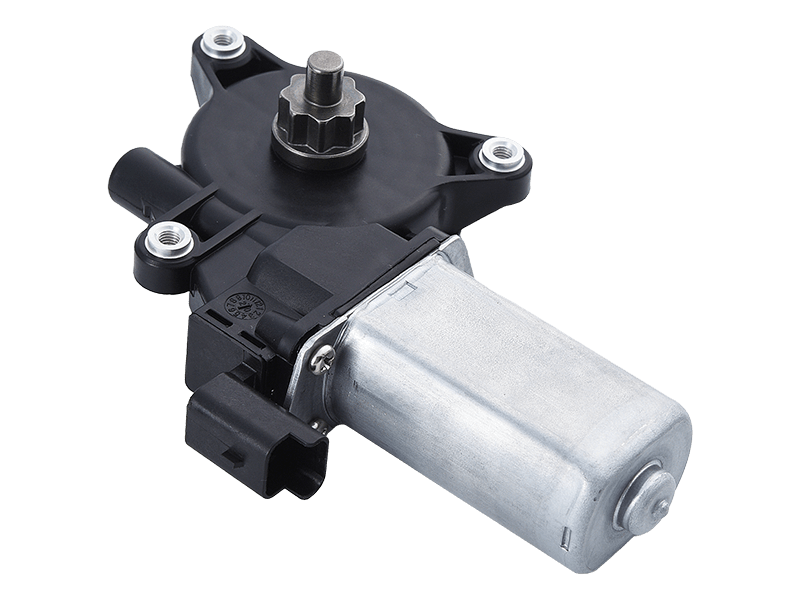
If the term Air Conditioning Outlet Motors refers to a smaller motor located at or near a duct or vent, it is typically a damper actuator motor. Its role is not to move air, but to precisely control the direction and distribution of the airflow.
Detailed Functions and Application Scenarios:
- Zoning Control: In central AC systems with zoning capabilities, multiple damper actuator motors are used based on the temperature needs of different areas (e.g., upstairs, downstairs, bedrooms). These motors move the damper blades (Dampers) to open or close the air passages inside the corresponding ducts according to instructions from the zone controller, thus delivering conditioned air only to the areas that need it, greatly improving energy efficiency and user comfort.
- Flow Regulation: In certain precise systems, the actuator motor can micro-adjust the damper instead of simply opening or closing it completely. This allows the system to finely regulate the airflow to the Air Conditioning Outlet in each room, solving issues where some rooms are too cold or too hot.
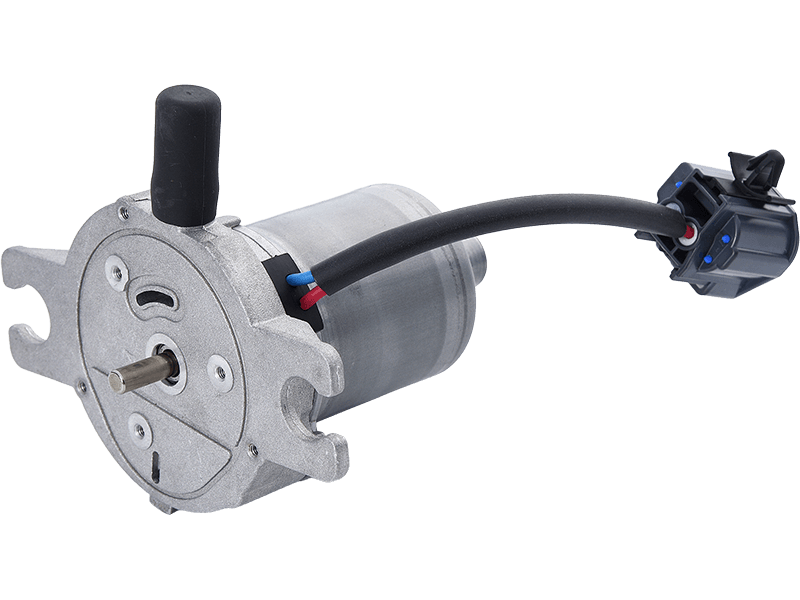
- Application in Car AC: In automotive climate control systems, these motors are called Blend Door Actuators. They are responsible for moving internal “doors” to:
- Mix hot air from the heater core with cold air from the evaporator to achieve the set temperature.
- Direct the airflow to different outlets, such as the defrost vents, floor vents, or dash vents.
Comparison Summary of Air Conditioning Outlet Motors Roles
| Motor Type | Primary Function | Typical Location | Resulting Impact | Common Failure Symptoms |
|---|---|---|---|---|
| Blower Motor | Circulates air, provides air pressure | Inside the indoor unit (air handler) | Affects overall cooling/heating performance and air volume | Complete lack of air flow, low air volume, high-pitched noise |
| Damper Actuator | Controls airflow distribution, opens/closes ducts | Duct branch points, inside car AC housing | Affects temperature and air direction in a specific zone | No air in a certain zone/incorrect air direction, stuck motor noise |
The efficient operation of Air Conditioning Outlet Motors is key to ensuring you experience comfortable, energy-saving, and precise temperature control. A failure in either type of motor will directly impact the final performance of the AC system.
 +0086-0574-88427838